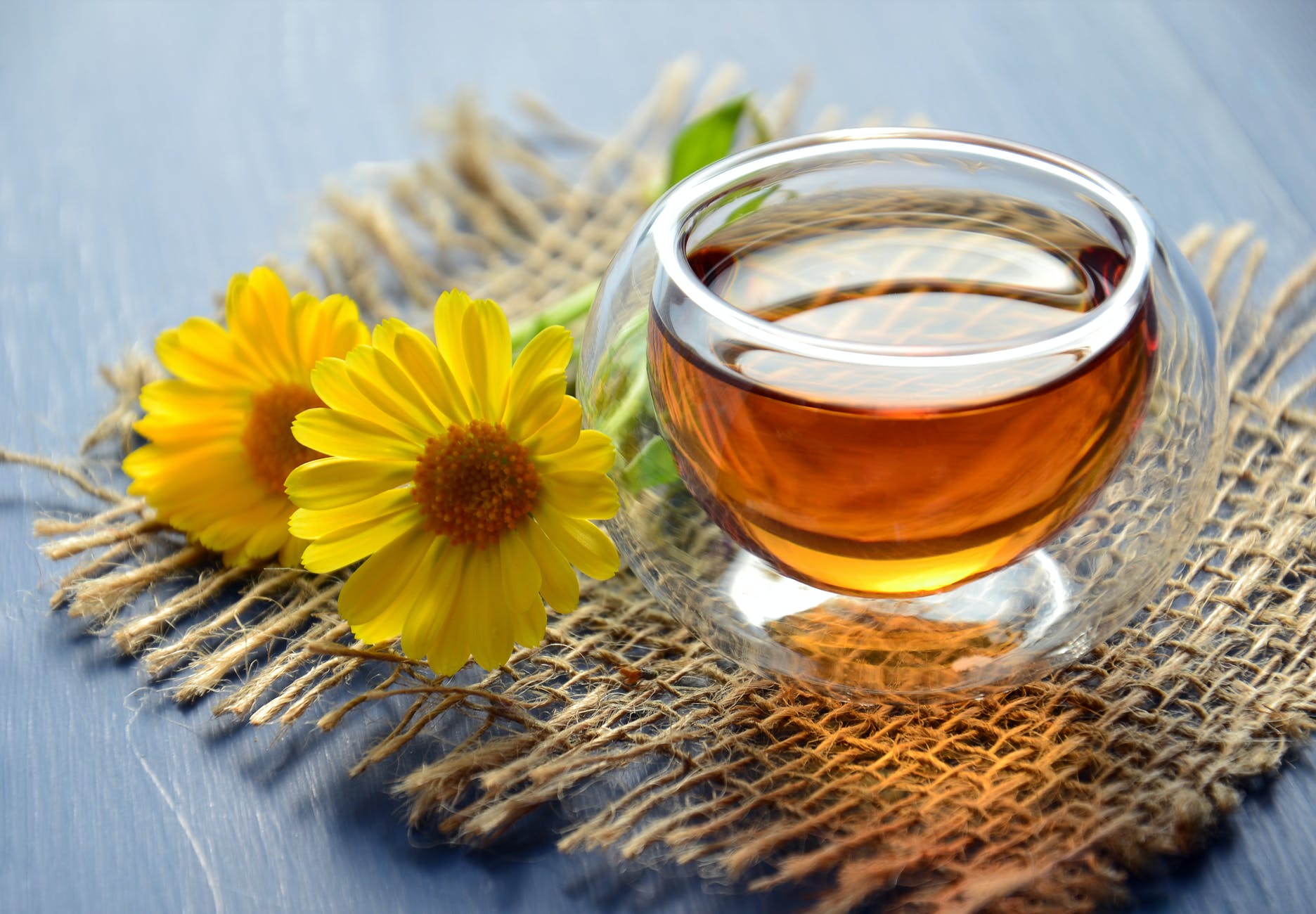
Medicinal properties of gum: –
#glue #cond
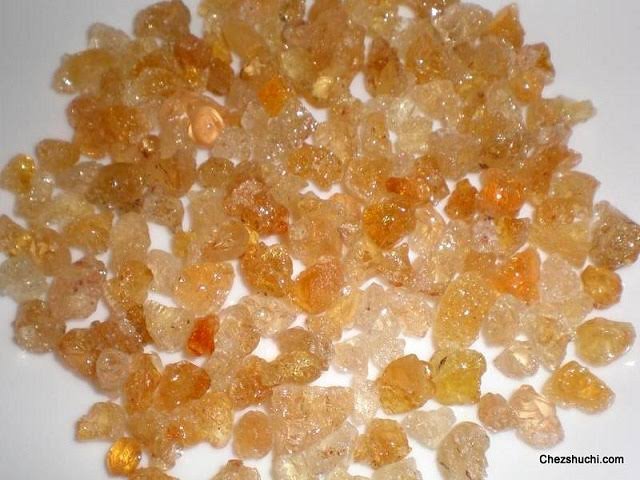
When you make an incision to the trunk of a tree, the secretion that comes out of it becomes brown and hard on drying. It is called gum. It is soft and nutritious. It also has medicinal properties of that tree. In Ayurvedic medicines, gum is also used for binding of powder to make tablets or vatis.
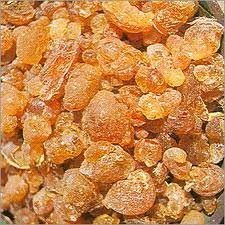
1 • The glue of acacia or acacia is nutritious.
2 • Neem gum is a blood-enhancing, stimulating substance. It is also known as East India gum. Neem also has medicinal properties.
3. Gum of Palash strengthens bones. Taking 1 to 3 grams of gum paste with sugar-milk or amla juice increases the strength and semen and strengthens bones and strengthens the body. Drinking dissolved in it provides relief in diarrhea and sprue.
4 • Guggul is a multivariate shrubby tree with gum coming out of its trunk and branches, which is fragrant, thick and multi-colored. It is used in the prevention of joint pain and incense incense sticks etc.
5 • Propolis • This is a plant-borne gum that bees collect from plants. It is used as a dandanasambu making platform and avoiding ultraviolet rays.
6 • Guar bean seeds contain gum called glactomenon. Gum obtained from guar is used in milk products like ice cream, cheese etc. Along with this, it is also used in many other dishes. The paste food made from the seeds of guar is useful in many industries along with medicinal use.
7 • Apart from this, gum of trees like drumstick, plum, peepal, arjun etc. has its medicinal properties.
8 • Mango gum is the pillar and blood gland. By applying this gum to the boils, the exudate gets washed away and fills easily. Mango gum is mixed with lemon juice and applied on skin disease.
9 • Gum of semal is called mocharas, it suppresses bile. In the future, one to three grams of mocharas powder is used with curd. Mixing equal quantity of powdered sugar in white leprosy is beneficial. Mocharas are used in dental brushing.
10 • After the rainy season, gum comes out of the Kabit tree which is equivalent in quality to Acacia gum.
11 • Hing is also a gum which is this aromatic gum resinous emanating from the roots of three plants of the Ferrula clan (Ambaliferi, another name Apiaceae). Carrot also comes in the ferula clan. Asafoetida is of two types • One is soluble in water and the other in oil. The farmers remove the soil around the plant and make an incision in the upper part of its thick carrot root. A milky resin keeps coming out of this incised place for the next three months. About one kilogram of resin is released in this period. It becomes hard after coming in contact with the air. If you put a bag of asafoetida in the irrigation drain, then the vegetables grow well in the fields and they remain infection free. The addition of asafoetida to the water eliminates the ills and increases plant growth.
 Ayurvedic Tips