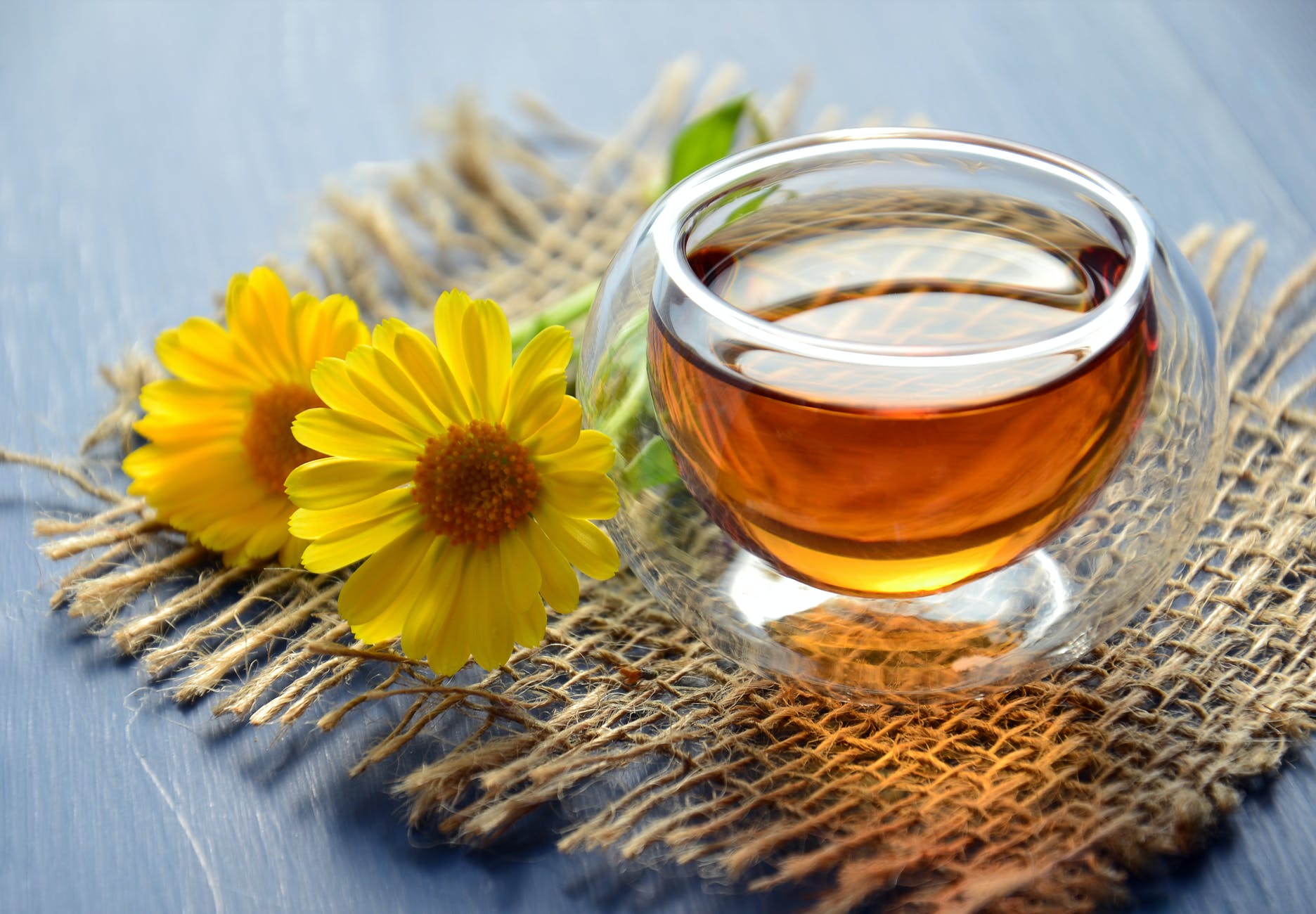
Must eat these things in the winter season will always be healthy
In cold weather people use warm clothes to avoid the effect of cold, but no matter how hot the body is covered with warm clothes, the body must have internal heat to fight the cold. If the body has the ability to mold itself from the inside according to the weather, cold will reduce and many diseases will not be there.
This is the reason why special attention to cold catering has been given great importance in Ayurveda. If special attention is given to food during winters, then the body remains balanced and winter is short. Today we are going to tell you about some similar things
1. Peanuts –
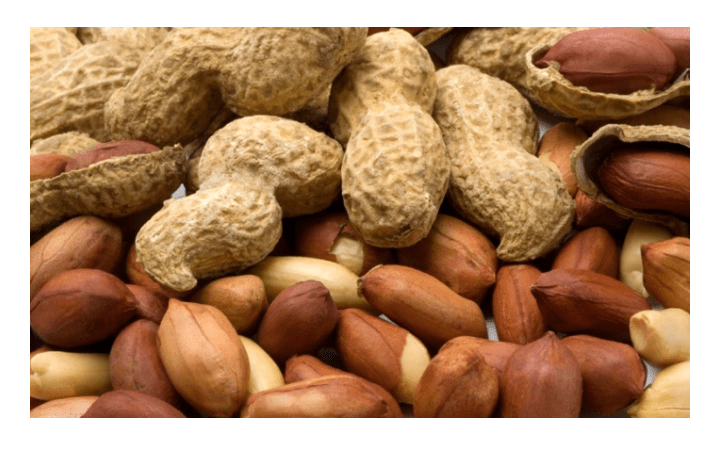
These elements are present within 100 grams of peanuts. Protein – 25.3 grams, Moisture – 3 grams, Fats – 40.1 grams, Minerals – 2.4 grams, Fiber – 3.1 grams, Carbohydrates – 26.1 grams, Energy – 567 calories, Calcium – 90 mg, Phosphorus 350 mg, Iron – 2.5 mg, Carotene. – 37 mg, thymine – 0.90 mg, folic acid – 20 mg. The antioxidants, vitamins, minerals etc. present in it make it extremely beneficial. Of course, after knowing its properties, you will at least take the time to bypass peanuts this winter.
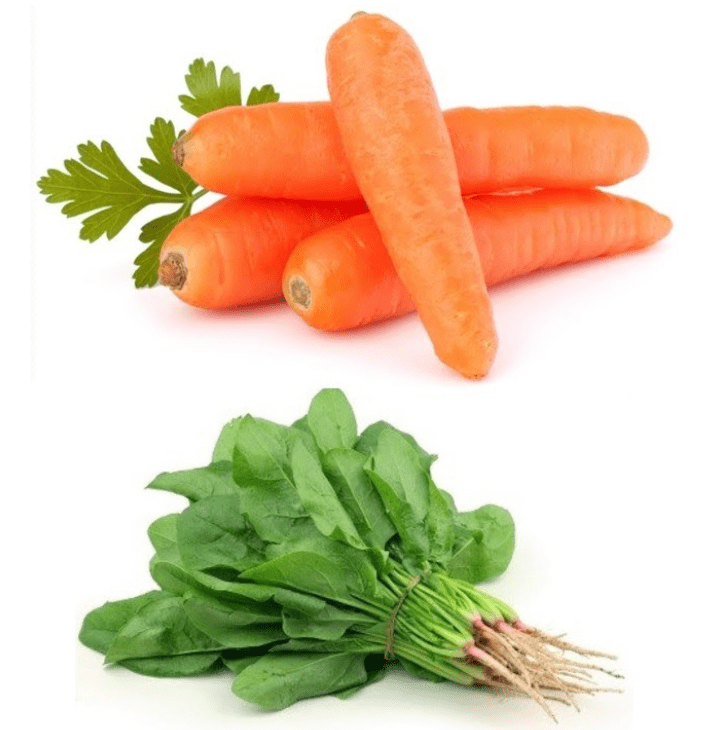
2. Vegetables – Eat green vegetables in your diet. Vegetables increase the body’s resistance and provide heat. Eat fenugreek, carrot, beet, spinach, garlic bathua etc. during winter. They strengthen the immune system.
3. Mole –
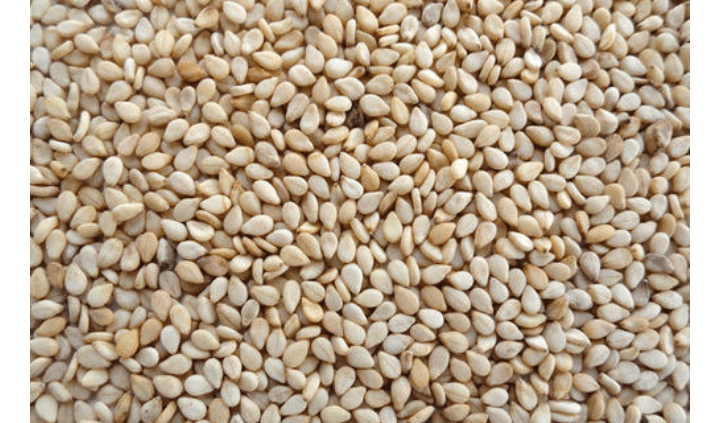
Eating sesame in the winter season gives the body energy. Massaging sesame oil prevents cold. Make a decoction of sesame and sugar candy and drink it to cure cough. Many types of nutrients are found in sesame, such as protein, calcium, B complex and carbohydrate etc. Since ancient times, sesame has been used to maintain beauty.
4- Millet –
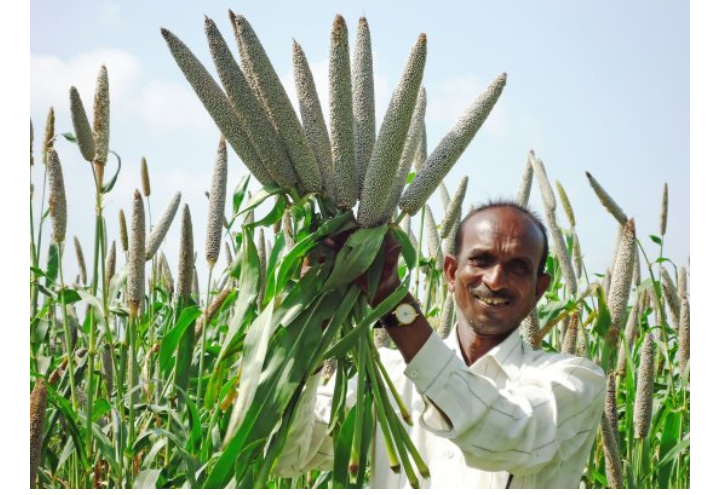
Some grains give the body the most heat. Millet is one such grain. Make and eat millet bread in winter. Young children must eat millet bread. It also has many healthy properties. Millet has the highest protein content as compared to other cereals.
It has all those qualities, which keeps the health right. In rural areas, millet-made roti and tikki are most preferred in the winter months. Millet contains plenty of essential elements like magnesium, calcium, manganese, tryptophen, fiber, vitamin B, antioxidants etc. in the body.
5. Almonds –
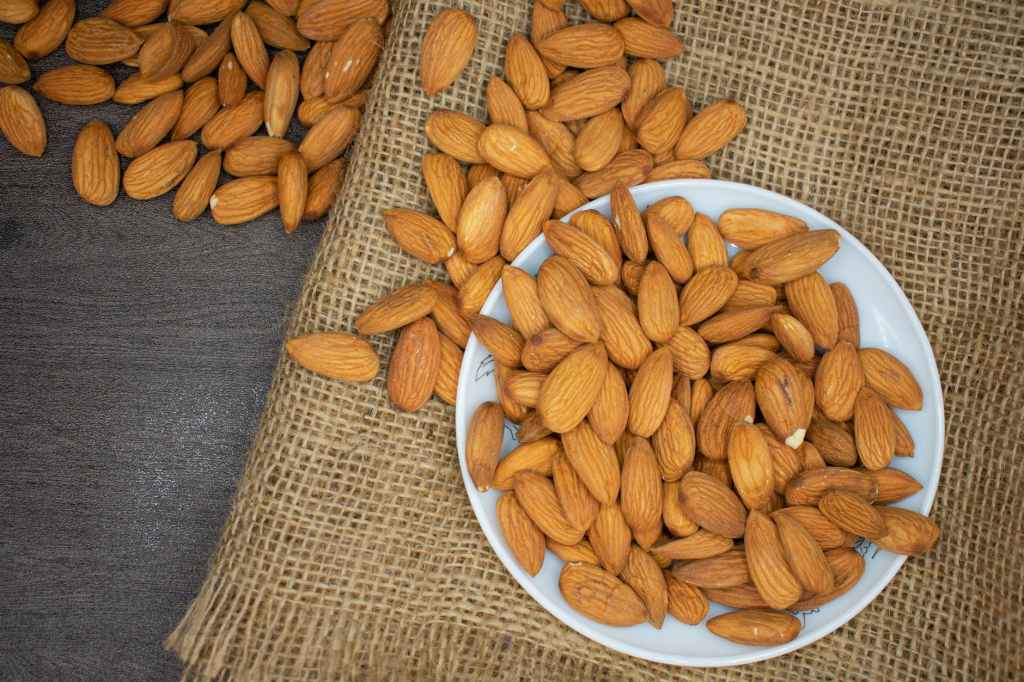
Almonds are rich in many qualities. Its regular intake is helpful in preventing many diseases. It is often believed that eating almonds increases memory, but this dry fruit also protects us from many other diseases. Constipation is overcome by its use, which is the biggest problem in winter. Almonds have the ability to control diabetes. It is rich in Vitamin-E.
6. Ginger –
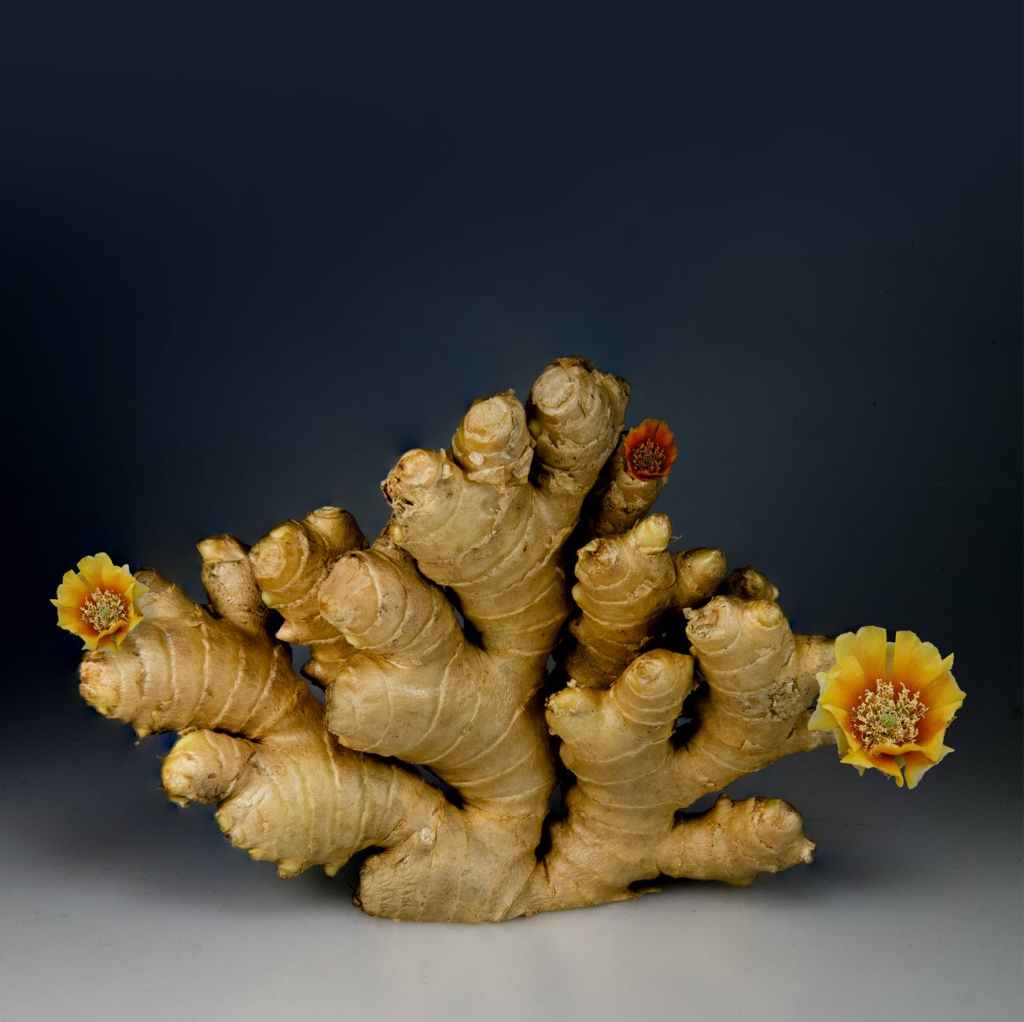
Do you know that many small and big diseases can be avoided by including ginger in daily food. Consuming it in any way in winter gives great benefit. This provides warmth to the body and also keeps the digestion right.
7. Honey –
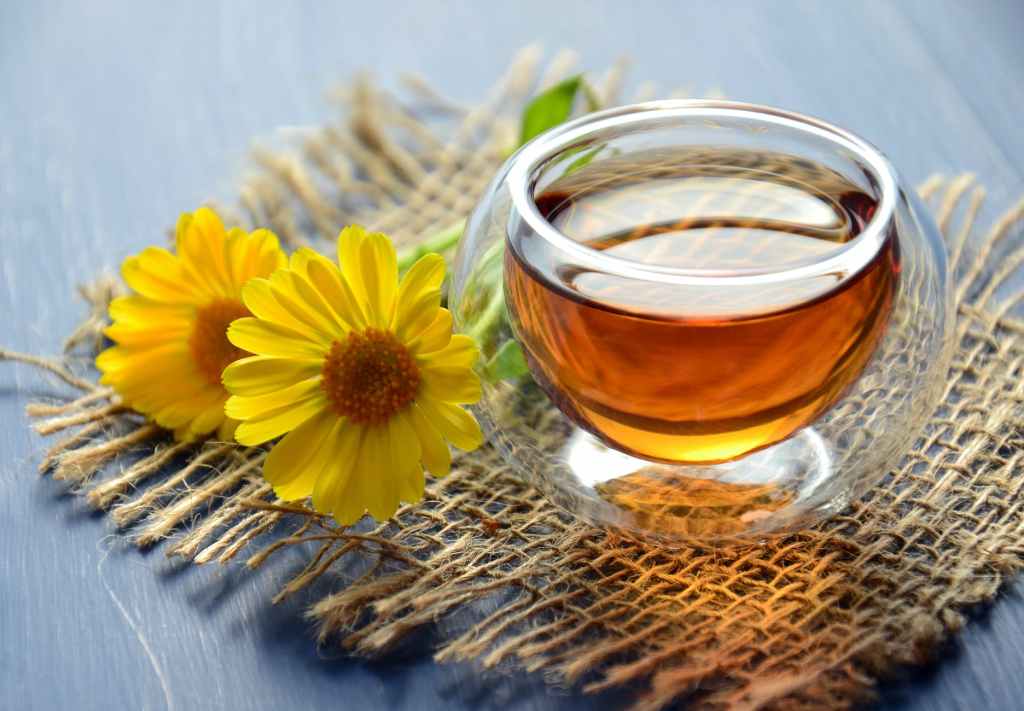
Honey is also called nectar in Ayurveda to keep the body healthy, healthy and energetic. Although the consumption of honey is beneficial in all seasons, but the use of honey in winter is especially beneficial. In these days, definitely include honey in your food. This will improve digestion and will also affect the immune system.
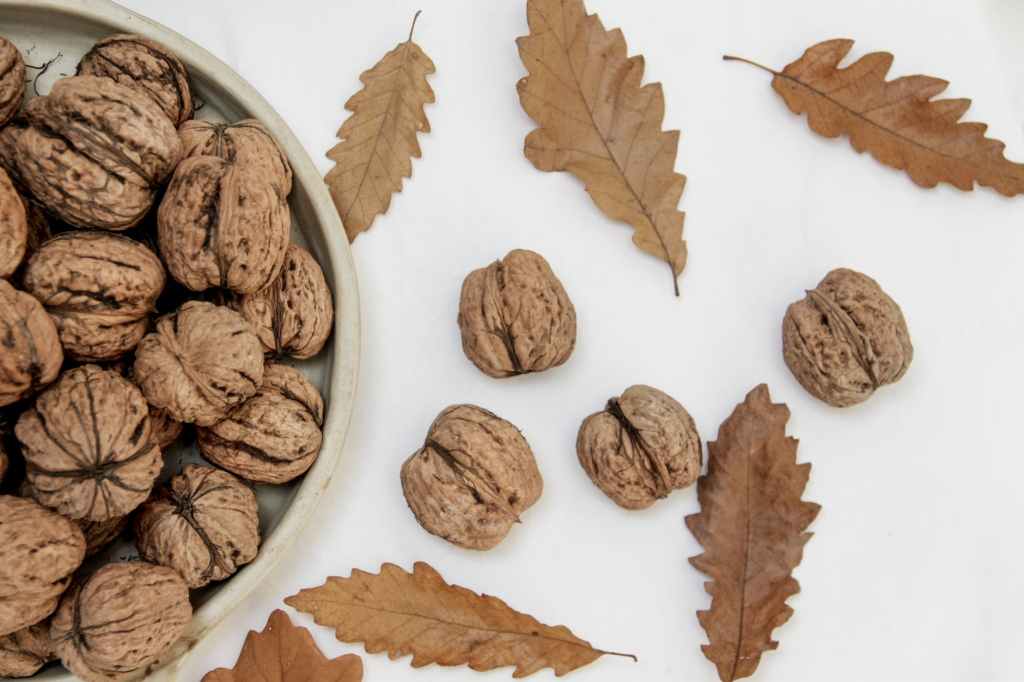
8. Walnuts –
Omega 3 Fatty Acids – Omega 3 fatty acids are the best food in winter. Eat walnuts, it provides body heat. It is rich in zinc. Therefore, it increases the immunity power of the body and keeps diseases away.
Please share as much as you like
 Ayurvedic Tips